Skip to content
About Us

The only school of its kind on the Thai–Myanmar border

Star Flower Centre was created so that migrant children with disabilities in Mae Sot would no longer be left isolated at home. This is our history, our vision and the people who keep it alive.

Introduction & Background

Opened in June 2009 for children who had nowhere to learn

Star Flower Centre (SFC) opened in June 2009 to serve migrant children with special educational needs in Mae Sot. It was established in partnership with Voluntary Services Overseas (VSO) and World Education (WE) Thailand, with the aim of maximising educational opportunities for migrant children with disabilities in the Mae Sot area.

Before the Centre opened, these children were often isolated within migrant communities with no prospect of an education, while their parents struggled to care for them and earn a living at the same time. The first four teachers were trained from scratch in special educational needs and child-friendly teaching methods.

The Centre follows UNICEF's rights-based, child-friendly school framework — a school that is inclusive, healthy and protective for all children, effective with children, and involved with families and communities. Since 2015 the Centre has been managed and led by the Burmese Migrant Workers' Education Committee (BMWEC), and today it is the only school along the Thai–Myanmar border available to children with specialist needs from migrant communities.
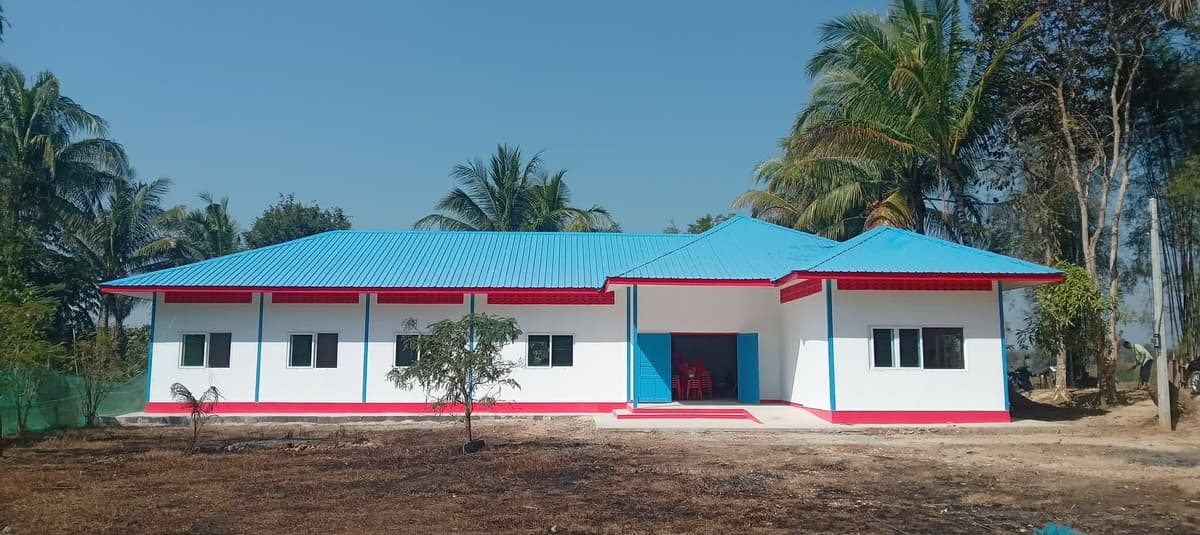
The Star Flower Centre building in Mae Sot, Thailand
Our Vision

Work, learn and play together

We believe that all children should have access to a child-friendly school, where their individual needs are catered for and where they are able to participate in a full program of activities and learning opportunities.

We believe all students should be encouraged to work, learn, and play together, which will enable students to gain confidence, raise their self-esteem, and realize their full potential as productive members of society.

Principles That Guide Our Vision

Four commitments behind every decision

Learning & Development

Children with special educational needs require additional, consistent support to participate fully in their communities. We offer a broad, balanced, child-centred curriculum — social, emotional, physical and cognitive — with a strong focus on life-based health, safety and hygiene skills, and we work toward inclusion in mainstream education. We seek out marginalised, hard-to-reach children regardless of religion, language, ethnicity, gender or background, and we give children choices and a voice.

Protection

Every child has the right to be protected from physical, emotional and sexual abuse. Our staff are trained to identify concerns and refer them appropriately. We work with parents to promote positive discipline as an alternative to corporal punishment, and we provide preventative healthcare, vaccinations and access to medical treatment.

Parent, Caretaker & Community Involvement

Parents are a child's first and most important educators. Families are invited to trainings, open days and decision-making about their child's Individual Education Plan, and receive extra support through World Education and BMWEC community programmes — often the only social services available to migrant children with disabilities.

Professional Conduct

We recruit on an equal-opportunity basis and hold every staff member to a clear code of conduct. Teachers receive ongoing coaching, training, mentoring and appraisal so the quality of care keeps rising.

Goals & Objectives

What we set out to achieve

Our key approach is to keep the child — and his or her rights, well-being and educational opportunities — at the centre of all goals, objectives and activities.

1

Equal right to education

A child with a disability has the same rights as any other child, especially the right to education. Children attend Monday to Friday and take part in shared activities — singing and music, play, shared meals, exercise and art — alongside one-to-one teaching guided by their Individual Education Plan.

2

Inclusive education

Where it benefits the child, students are enrolled concurrently at a local migrant learning centre with teacher-aide support. We also run school-based training so other centres can welcome children with special needs.

3

Support and training for parents

Quarterly parent trainings, consultation on IEPs and regular home visits show families how to support development at home — from adapting the environment for independent feeding to physiotherapy exercises and active play.

4

Early intervention

Our community liaison identifies children with disabilities in migrant communities. Teachers, trainers and the liaison then visit homes and invite caregivers and children to the Centre, so support begins as early as possible.

Who We Serve

Admission and priority

Most of our students live with cerebral palsy; others have autism, ADHD, Down syndrome or learning difficulties. When a place opens, priority goes to the most vulnerable child living in an accessible location — first children we already know through home visits, then children referred by the community and other schools. Families of children with severe needs may be asked to accompany their child at the Centre.

  • Autism

    up to 18 years

  • ADHD

    up to 16 years

  • Cerebral Palsy

    up to 18 years; hemiplegia and diplegia

  • Down Syndrome

    up to 18 years

  • Learning Difficulties

    up to 18 years

Four learning modules

Each child's IEP draws on four modules delivered by a multidisciplinary team with the family closely involved.

  • Communication & Interaction — speech therapy, sign language, picture communication, social skills and assistive technology.
  • Cognitive & Learning — sensory activities, fine-motor practice, early literacy and numeracy, occupational therapy.
  • Social, Emotional & Mental Health — social stories, mindfulness, play therapy, group activities and family counselling.
  • Sensory & Physical Needs — sensory integration, physiotherapy, adaptive equipment and mobility aids.
Our Partners

Organisations that make the Centre possible

BMWEC

Burmese Migrant Workers' Education Committee

A community-based organisation that has managed and led Star Flower Centre since 2015. BMWEC's advocacy helped Burmese migrant learning centres gain recognition from the Thai Ministry of Education, and our teachers hold MOE teacher cards.

VSO

Voluntary Services Overseas

An international development agency founded in 1958. Through its Education for All programme in Thailand, VSO co-founded the Centre and placed a volunteer special-needs adviser to train our first teachers.

World Education

World Education Thailand

Co-founded the Centre and supported it through the SHIELD project, working with the Ministry of Education and community organisations to improve education for migrant children.

SMRU

Shoklo Malaria Research Unit

Partners with the Centre on vaccination programmes and health care for our students.

Our Team

The people behind every small victory

A small team of teachers, a staff trainer, a community liaison, care staff and parents — supported by volunteers and specialist therapists whenever they are available.

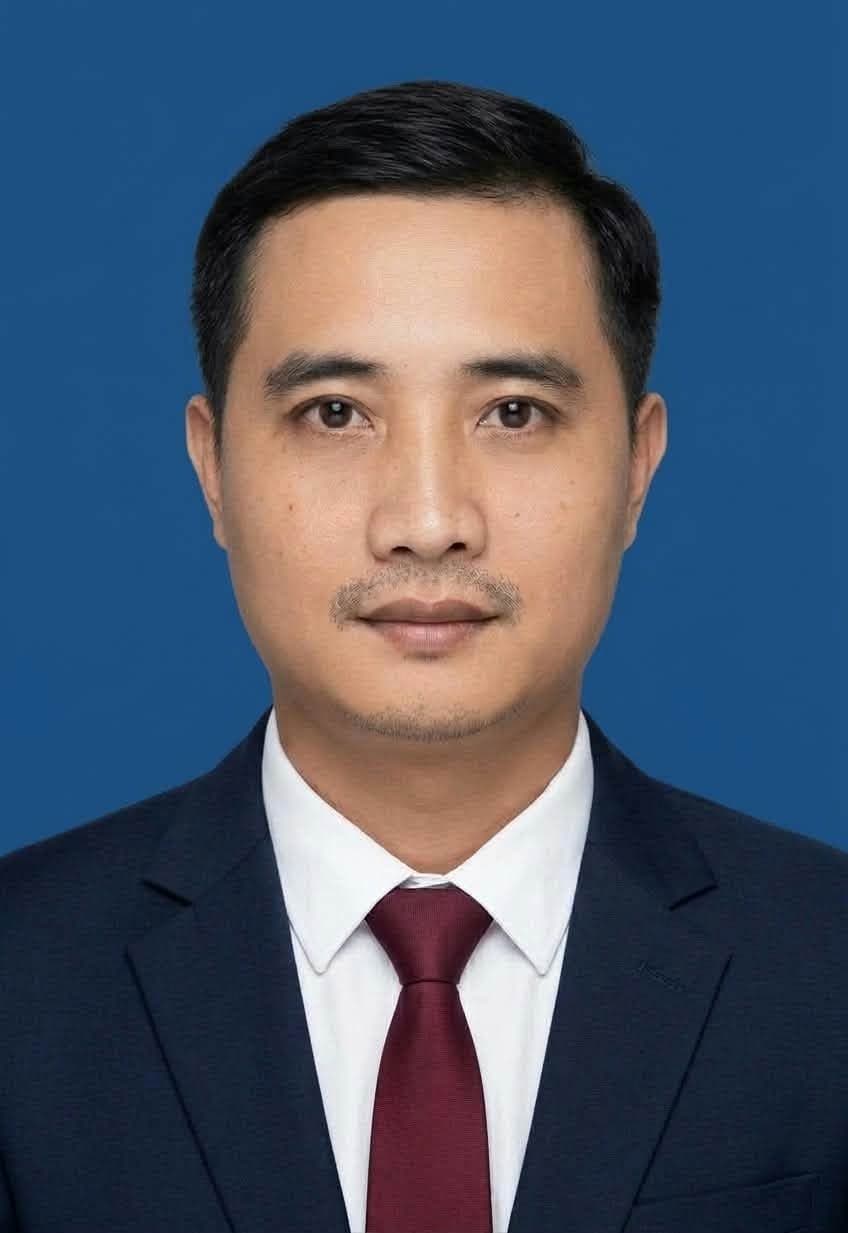
Photo of Naw Thoo Mwe Paw

Naw Thoo Mwe Paw

Principal

I want to support children with disabilities and help them build dignity, confidence and independence through education and care.

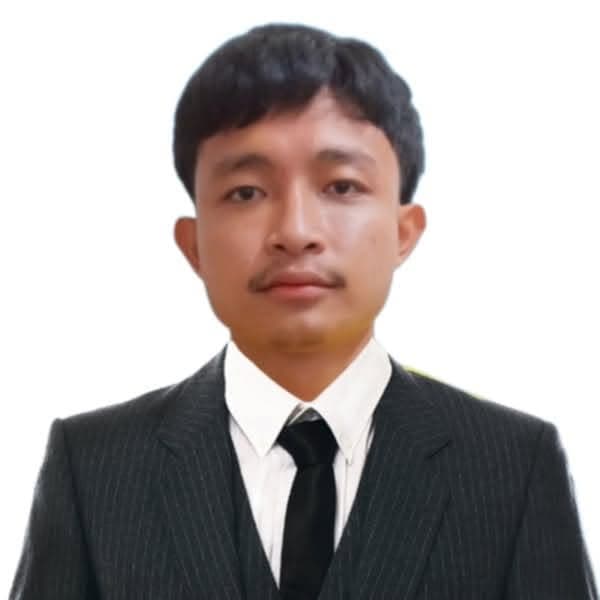
Photo of Saw Moo Kapaw Say Reh

Saw Moo Kapaw Say Reh

Curriculum Development Coordinator & Finance

For the glory of God to be revealed through our work with children and families.

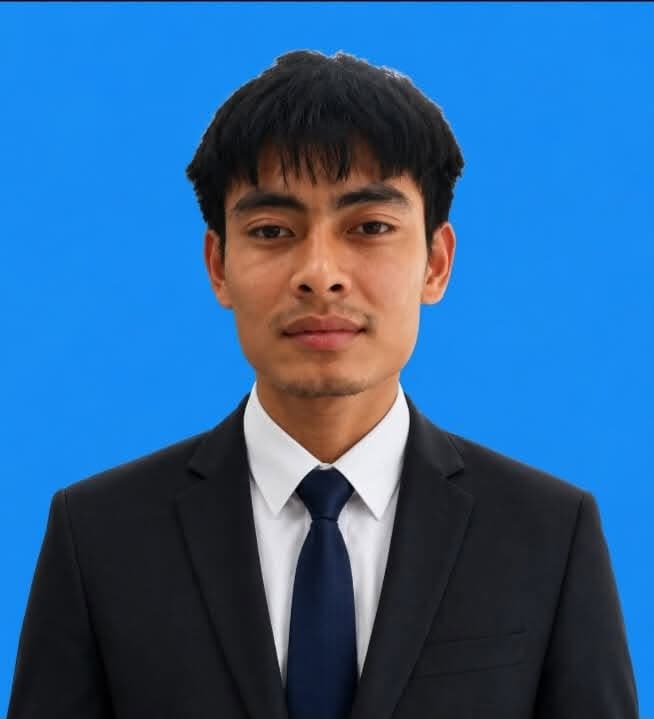
Photo of Saw Ronal Soe

Saw Ronal Soe

Driver

Caring for the least among us is caring for God.

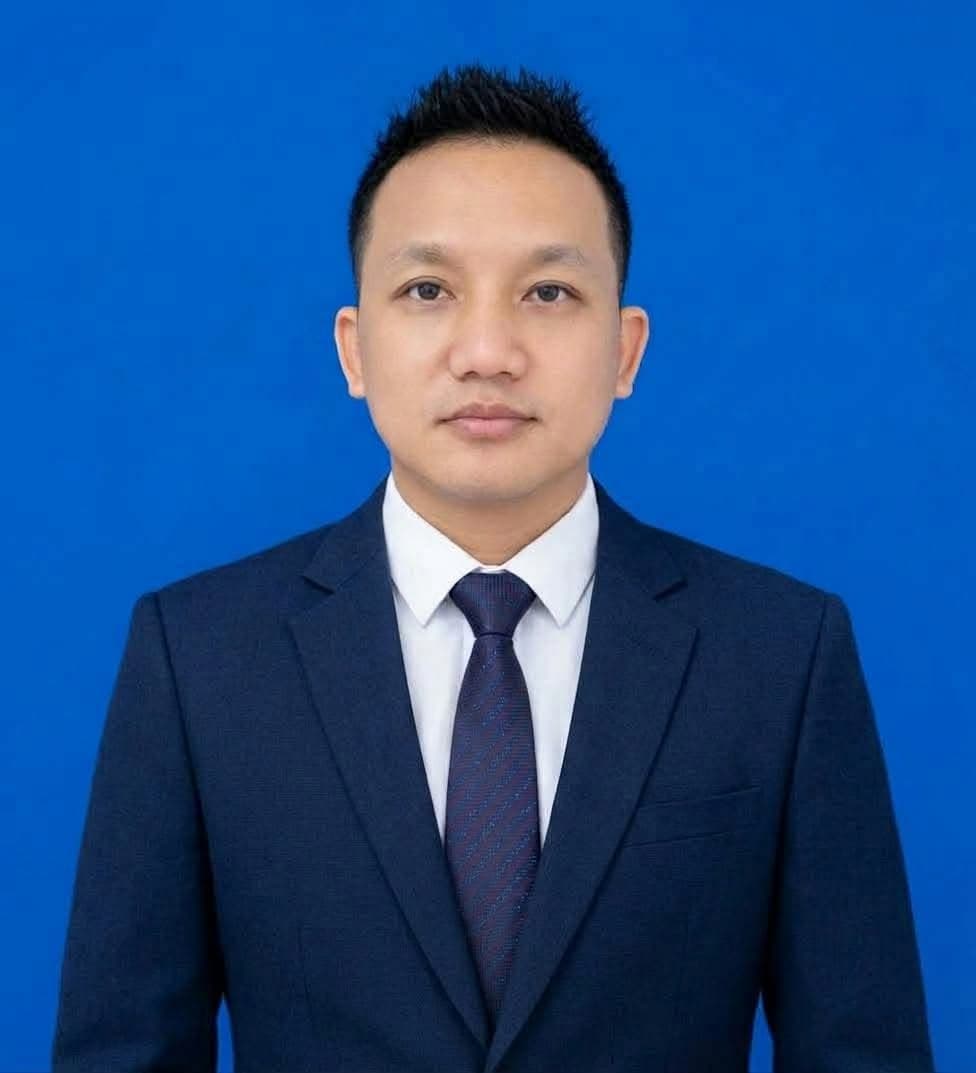
Photo of Saw Taw Nay Moo

Saw Taw Nay Moo

Teacher Assistant

I am a former student of this school, and I am grateful to return and support the children here.

Photo of Saw Poe Dah

Saw Poe Dah

Teacher

I chose to work with Star Flower School to support children with special needs and help them grow in confidence and skills.

Photo of Saw Hay Blut

Saw Hay Blut

Teacher

I am passionate about helping children and supporting their education and development.

Photo of Naw April Paw

Naw April Paw

Health Teacher (Focal)

To love and care for children with special needs through systematic health record keeping, all for the glory of God.

Photo of Chit Poe Pwint Phyu

Chit Poe Pwint Phyu

Teacher

I want to better understand children with special needs, improve my skills and learn how to support them respectfully and effectively.

Join as a Volunteer

Physiotherapists, occupational and speech therapists are especially welcome to join our home visits and IEP sessions — but you do not need a qualification to make a difference. Volunteers help with play, art, lunch and outdoor time, or simply sit beside a child who needs a friend.

  • Weekdays 9:00 – 15:00, Mae Sot
  • Orientation and child safeguarding training provided
  • Burmese, Thai or English speakers welcome

Minimum commitment: one morning a week for three months